Leadership is a journey but it’s also many things. Think about outcomes, audience and impact.
TLDR: If you’re considering taking on a leadership opportunity, here’s my story — what I expected, what happened and how I moved forward in what felt like a dynamic, evolving environment.
Earlier this month, IABC Canberra welcomed the incoming 2025 – 2026 board. It’s an exciting time for our chapter; the atmosphere feels light and there’s a real energy in the group, both about the year that’s been and the possibilities ahead.
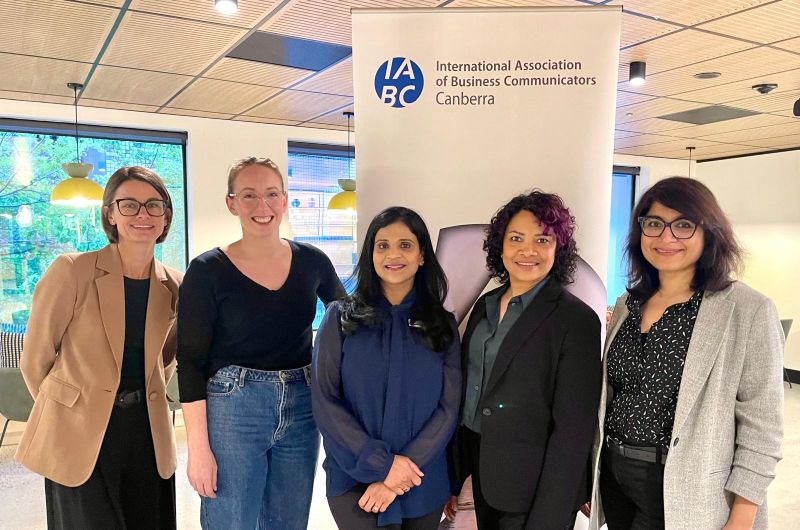
For me, November marks the close of one chapter, as President of IABC Canberra. As a professional organisation with a long global and local history managed by a completely 100% volunteer-led board, it’s not a role I accepted lightly.
I’m writing this particularly for anyone on the fringes of leadership opportunities, wondering if stepping up is worth exploring. Could you take it on? What will it ask of you? Why even considerit? Perhaps, my story can inform your next steps. Let’s dig in.
Start with your why
I first heard about the IABC several years ago through a friend and thought it might be interesting to get involved. But it wasn’t until 2022 that I put my hand up for a board role, taking on the member communications portfolio. I can’t say I knew what to expect, and I suspect that’s how most feel when joining a new venture. We carry certain expectations of the role and the relationships we’ll build, and naturally, others will too.
It was a little daunting at first. But I had good people around me to guide me and support me throughout and that made the difference.
Having arrived in Canberra in 2019, I knew it was up to me to build the network I needed and wanted locally. I was starting from zero, and getting involved with this association felt like a strategic and relevant step. If I was going to have any impact in Canberra, and build my business here, networking would play a pivotal role and consistency mattered. I also knew activities like this take time; I wanted to avoid anything that felt transactional and invest my time and energy in a sustainable way.
Two years in, I was still very much present, active and interested. When the opportunity to consider the presidency surfaced, I weighed it up carefully. I didn’t want to take it on and not deliver and I needed to review how this would align with my current direction.
Think about the outcomes
In considering the role, I thought about the outcomes I wanted to achieve — not only for the organisation but for myself personally. I don’t think that’s being selfish — we have to consider what we gain from the experience too.
It’s easy to sit on the sidelines, offering suggestions and critiques. But doing the work, day in and day out is a different story. If I was to change anything, I needed to get in there and do the work. You need to assess the situation, understand the role you’re taking on, and consider the challenges ahead. I did that.
For me, going in with my eyes wide open, understanding the history of what had been built in the association, the challenges and the possibilities, and appreciating the ideas I had and the ideas of the team around me, made the difference.
Leadership can feel like many things. I see it as a journey for the most part: dynamic, evolving and full of opportunities for growth. It’s a balancing act because you’ve got to be open to ideas and discussions but you’ve also got to direct and lead. You’ve got to drive, cheer and inspire others but you’ve also got to get down into the weeds. You’ve got to have the big picture approach but also, execute.
So, go in with a clear idea of what you want for the organisation, and what you want for yourself in this role. And be prepared to adapt as the situation evolves.
Consider your audience
In taking on this role, I thought a lot about our audience – communication professionals. How could we reach them? How could we ignite curiosity, engagement and sustained interest? How could we offer meaningful support?
It’s about the little things as much as the big things.
Looking back on the year gone by, I try not to focus on what didn’t get done and the gap between intention and execution. It was important to start the term with a clear understanding of deliverables, outcomes and goals, sure. But pace, sustainability and fulfilment were key too.
There are several things I am proud of, from my term. Keeping the audience — the comms community — front and centre, we focused on delivering networking events such as our midweek mingles regularly. We considered location and kept events inclusive by welcoming non-members.
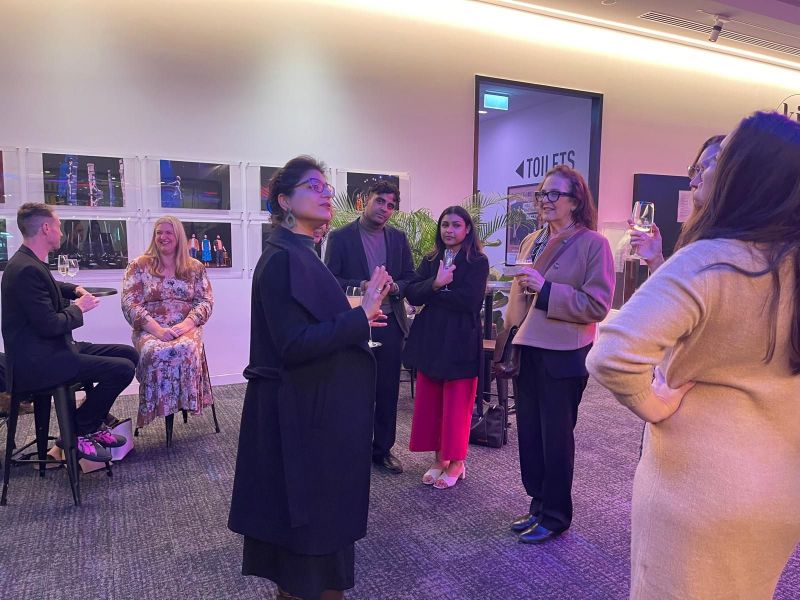

We did most of these events face-to-face but explored online events too. We even ran an online roundtable discussion with a large number of guest panelists and it went incredibly well. We kept these events simple.
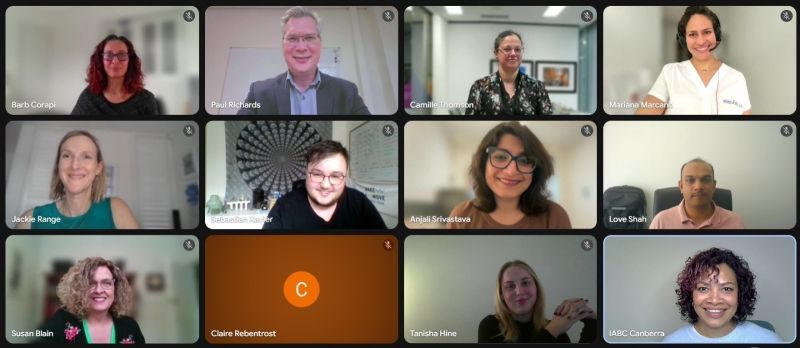
This roundtable was the follow-up activity to a multi-contributor article I wrote, When Eyes Glaze Over: How to Engage a Disengaged Audience. I was thrilled to have 13 contributors share their perspectives and personal experiences.
We were invited to put a stall up at the annual career expo organised by St Clare’s College together with St Edmund’s College. It was an opportunity to provide students in years 10 – 12 valuable pathway guidance on all things communication.
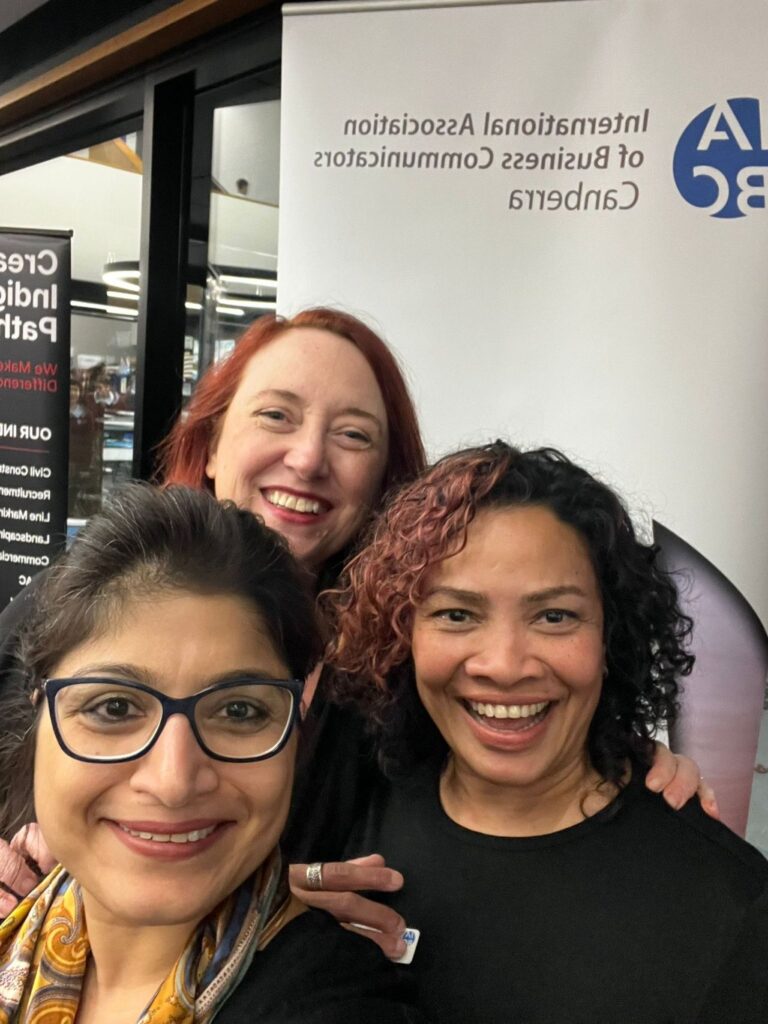
I am reminded of how easy it can be to come up with grand plans. Execution is the hard part. Can we deliver? Are people going to be happy with it? Does it serve a real need?
The initiative I’m most proud of is launching the IABC Canberra mentor program. I did this, having been a mentor for many years and noticing the impact it has on others. If sustained, this program will provide another way for the comms community to stay connected, provide support,and deliver real benefit.
We began with a launch event in March this year to create awareness of the initiative. We ran a meet-and-greet with mentors which I believe makes a big difference. Mentoring is incredibly personal and the connection between mentor and mentee is important. People need to click but if they don’t, adjustments can be made.
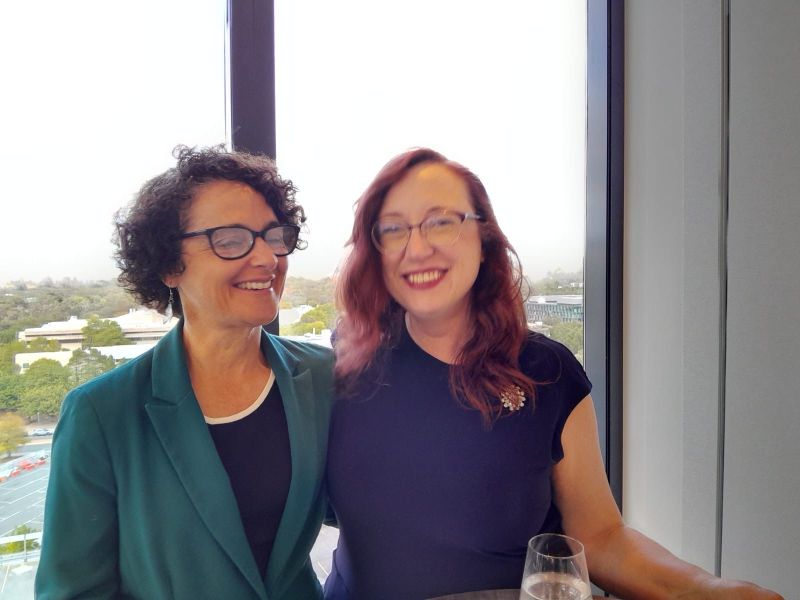
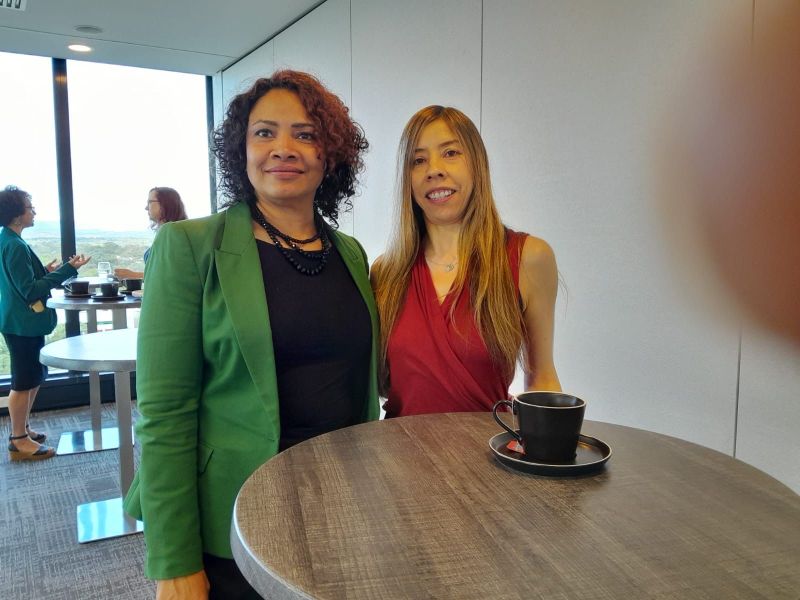
We set up eight mentor-mentee relationships this year. We now have a cohort of nine mentors! I’m so proud of what we’ve done here and there’s more to come in the new year.
Get clear on the impact you want to deliver
Of course, impact matters. But alongside this, I’d caution: don’t overdo it. Don’t over-commit or take it all on. As a leader, you would have a team, as I did. Lean on them too.
But is it a team or teaming? I learned this powerful distinction from Zeynep Çakıroğlu, a brilliant coach based in Istanbul, who I’ve had the pleasure of working with. Zeynep highlighted the distinction between teams —- clear membership, shared goals, stable boundaries — and teaming.
Teaming, a term popularised by Amy Edmondson, refers to fluid, dynamic collaboration among individuals who may not have worked together before (and may not work together again). It’s the reality of project-based groups, cross-functional initiatives, or ad hoc committees. Zeynep’s article is eye-opening so take a look.
So, there you have it — a short recap of my journey as president of IABC Canberra. I enjoyed the experience. I’m grateful for the leadership that came before me: Melanie Gibbons who was President when I first joined, and Lisa Ranson who guided me through as Past President when I stepped into the role. Their support, encouragement and advice were invaluable and I’m also thankful for the support of my entire board.
Here’s a recap of the hidden lessons I learned this year.
- If you can’t find what you’re looking for, build it. It’s something I’d learned many years ago and am continually reminded about.
- Since I went in knowing what I wanted to achieve, and in some ways, what to expect given the experience I had already built up in my time at the organisation, I was able to stay the course and maintain momentum.
- I’ve always been very hands-on in the work I do, but this role enabled me to explore different aspects of leadership: delegating tasks instead of trying to do it all myself; stepping back from managing every detail, and leaving room for different approaches. It also meant empowering others to step up, supporting through coaching and mentoring along the way
- I’ve always paid attention not just to what is said but what’s left unsaid. When working with people you’ve not worked with before, it’s easy to jump to conclusions. Checking in regularly and asking open ended questions can be very helpful in identifying issues brewing beneath the surface.
Leadership is a journey and I am glad I took this particular opportunity on. It asked a lot of me but I went in expecting that. I thought of the impact I could create, and the enriching experience it would provide me. Take on a leadership role if it aligns with your direction. It’s a big step but it can be powerful and rewarding. Think about what you want from the experience, consider what you’re expected to deliver, and then, when ready, jump in.